
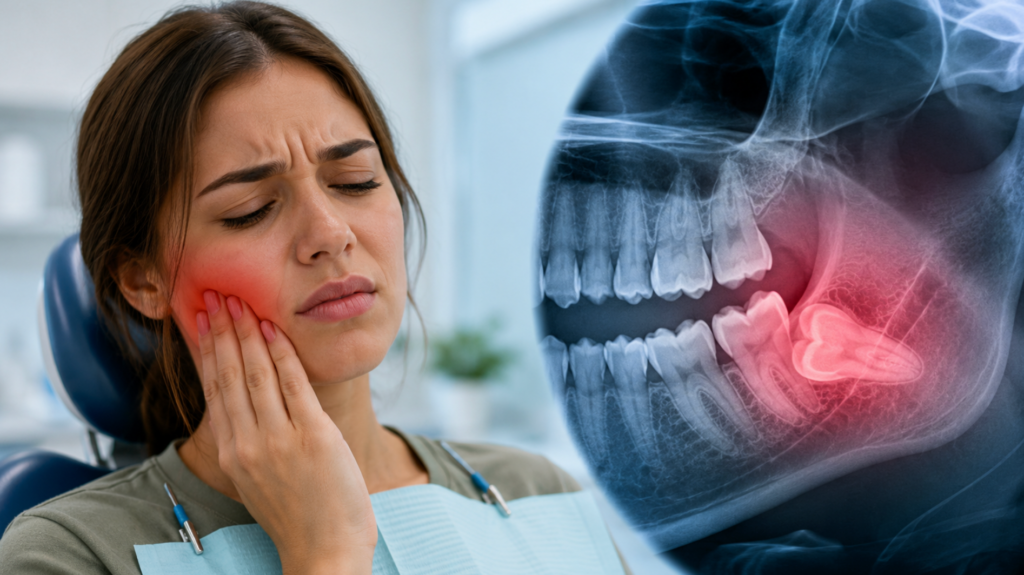
Impacted wisdom teeth occur when third molars do not emerge fully through the gums, often requiring Wisdom Teeth Extraction in Kissimmee to prevent complications. This can produce pain, infection, crowding, and other oral-health problems. Many patients are unsure how to recognise the signs or when extraction is appropriate. This article explains the symptoms, risks of delayed treatment, the extraction process, and recovery, with information relevant to Kissimmee patients.
What Are the Signs and Symptoms of Impacted Wisdom Teeth in Kissimmee?
Symptoms vary, but several common signs help identify an impacted wisdom tooth.
- Pain in the Back of the Mouth: Many individuals experience discomfort or pain at the back of their mouths, where the wisdom teeth are situated. This pain may be intermittent or persistent.
- Swelling Around Gums: An indication of trouble may also include swelling or tenderness in the gums near the impacted tooth.
- Difficulty Opening Mouth: Some patients find it challenging to fully open their mouths, which could be a sign of inflammation or infection.
Recognizing these signs early allows timely consultation with a dentist, such as Your Kissimmee Dentist, who can recommend the appropriate treatment.
How Can You Identify an Impacted Wisdom Tooth?
Identification combines clinical signs with diagnostic imaging. The primary symptom to watch for is persistent or recurring pain in the rear of the mouth. Dentists commonly use digital X-rays to determine tooth position and confirm impaction, which informs an accurate treatment plan.
What Risks Do Untreated Impacted Wisdom Teeth Pose?
Untreated impacted wisdom teeth can lead to significant complications. Risks include escalating pain, local infection where bacteria accumulate, and damage to adjacent teeth that may affect alignment.
- Pain and Discomfort: Initial discomfort can escalate into severe pain that affects overall oral health.
- Risk of Infection: An impacted tooth can create a pocket for bacteria to thrive, resulting in infection.
- Potential Damage to Nearby Teeth: The position of an impacted tooth can crowd or damage adjacent teeth, leading to alignment issues.
Timely extraction services from Your Kissimmee Dentist can reduce these risks and help preserve oral health.
Why Is Wisdom Teeth Extraction Necessary for Impacted Teeth?
Removal is often necessary to prevent pain, misalignment and infection. Extracting impacted teeth relieves pressure on neighbouring teeth and reduces the chance of trapped food and bacterial growth.
What Are the Medical Reasons for Extracting Impacted Wisdom Teeth?
Medical reasons for extraction include preventing overcrowding, avoiding long-term complications such as cyst formation or bone damage, and addressing cases that require surgical intervention to prevent further problems.
- Preventing Overcrowding: Extracting impacted teeth can prevent overcrowding, which, in turn, protects the alignment of existing teeth.
- Avoiding Long-Term Health Risks: Failure to extract these teeth can lead to long-term complications like cyst formation or bone damage.
- Surgical Considerations: In some cases, impacted teeth may require complex surgical intervention that could lead to further complications if not addressed promptly.
How Does Extraction Prevent Complications Like Infection and Jaw Pain?
Removing impacted wisdom teeth reduces inflammation and the risk of bacterial infection, and it can relieve associated jaw pain. If cosmetic concerns remain after treatment, patients may explore cosmetic dentistry to enhance their appearance.
What Does the Wisdom Teeth Extraction Procedure Involve in Kissimmee?
The extraction procedure follows standard steps designed to ensure patient safety and comfort.
- Initial Consultation: A dentist will determine the best approach for extraction.
- Anesthesia Administration: Local anesthesia is administered to numb the area, or sedation options may be provided for patient comfort.
- Surgical Extraction: The impacted tooth may need surgical extraction, where the dentist makes an incision to remove tissue and bone as needed.
What Surgical Methods Are Used for Removing Impacted Wisdom Teeth?
Treatment options include simple extraction for fully erupted teeth, surgical extraction for impacted teeth that require incisions or bone removal, and a range of sedation options—from conscious sedation to general anaesthesia—based on the case complexity.
- Simple Extraction: For teeth that have fully emerged, this method is straightforward and involves pulling the tooth out.
- Surgical Extraction: This approach is necessary for impacted teeth where incisions in the gum and removal of bone may be required.
- Sedation Options: Depending on the complexity, various sedation methods can be used, including general anesthesia for severe cases or conscious sedation for less complicated extractions.
Who Performs Wisdom Teeth Extraction: Choosing the Best Oral Surgeon in Kissimmee
Choose an oral surgeon with extensive experience in wisdom tooth removal, proven use of modern technology and favourable patient reviews to support optimal outcomes.
How Is Recovery Managed After Wisdom Teeth Removal?
Recovery focuses on pain control and infection prevention. Dentists typically recommend rest, prescribed pain medication as needed, and a soft-food diet during the initial healing period.
- Rest: Taking adequate time off to recuperate is vital for healing.
- Medication: Pain relief medications may be prescribed to manage post-operative discomfort.
- Dietary Adjustments: Soft foods should be consumed in the initial recovery stages to avoid irritating the extraction sites.
What Is the Typical Recovery Time for Wisdom Teeth Removal?
Most patients recover within 3 to 7 days, although complete healing can take several weeks. Recovery speed depends on extraction complexity, adherence to post-operative care and the patient’s overall health.
How Can Patients Manage Pain and Avoid Infection After Extraction?
To manage pain and reduce infection risk after extraction, patients should:
- Following Post-operative Instructions: Adhering strictly to the dentist’s recovery guidelines.
- Using Ice Packs: Applying ice packs can help reduce swelling and pain in the first 24 hours.
- Maintaining Oral Hygiene: Keeping the mouth clean and practicing gentle hygiene can prevent infections.
What Are the Cost and Insurance Considerations for Wisdom Tooth Extraction in Kissimmee?
Costs in Kissimmee vary according to case complexity and the type of anesthesia used. Check with your insurance provider to confirm coverage, as many dental plans pay a portion of the procedure. For questions or to schedule an appointment, please contact us.
Understanding the importance of addressing impacted wisdom teeth encourages proactive care and better overall oral health.
Frequently Asked Questions
What Age Do Wisdom Teeth Typically Erupt?
Wisdom teeth commonly erupt between ages 17 and 25, but timing varies between individuals. Some people see eruption in their late teens; others not until their late twenties or early thirties. Regular dental examinations and X‑rays help monitor development and determine whether extraction is necessary.
Can Impacted Wisdom Teeth Affect Overall Health?
Yes. Untreated impacted wisdom teeth can contribute to oral infections and periodontal disease; bacteria from these infections can enter the bloodstream and pose broader health risks. They may also cause chronic pain that affects sleep and daily activities. Timely treatment reduces both local and systemic risks.
What Can I Expect During the Consultation for Wisdom Tooth Extraction?
During consultation, the dentist will examine your mouth, take dental X‑rays, review your medical history and discuss your symptoms. They will explain available extraction methods, outline potential risks and describe recovery expectations so you can make an informed decision.
Are There Non-Surgical Alternatives to Extraction?
In select cases—when wisdom teeth are fully erupted and asymptomatic—options may include monitoring development, managing pain with medication, or using orthodontic measures to relieve crowding. These alternatives are not suitable if infection or significant overcrowding is present; extraction often remains the recommended approach in those situations.
How Can I Prepare for Wisdom Teeth Extraction?
Prepare by following fasting instructions if sedation will be used, disclosing your medical history and current medications to the dentist, and arranging transportation home after the procedure. Adhering to pre‑operative instructions supports a safer procedure and smoother recovery.
What Should I Do if I Experience Complications After Extraction?
If you experience severe pain, excessive bleeding, fever or persistent swelling after extraction, contact your dentist immediately. Prompt assessment allows for appropriate interventions, such as antibiotics or adjusted pain management. Following post‑operative care instructions reduces complication risk and promotes recovery.
Conclusion
Treating impacted wisdom teeth is important to prevent infection, pain and long‑term damage, and to maintain optimal oral health. If you have symptoms or suspect impacted teeth, contact Your Kissimmee Dentist for a consultation and to review suitable treatment options. Prioritize your dental health and consider our comprehensive services to find the best solution for your needs.