
By Carlos Medina, Kissimmee Dentist
Clear aligners are a contemporary orthodontic treatment that straighten teeth discreetly and reliably. Custom, transparent trays apply a planned series of controlled movements to reposition teeth over time. Compared with traditional braces, aligners are generally more comfortable and less conspicuous, which many patients prefer. This article explains how clear aligners function, outlines the treatment process, and summarises their advantages over conventional braces.
Understanding the mechanics is the first step to a straighter smile. This guide outlines the essential stages of care, including the initial consultation, the role of 3D scanning, aligner fabrication, and clinical monitoring. It also covers follow-up care and expected outcomes after treatment completion.
What Are Clear Aligners and How Do They Straighten Teeth?
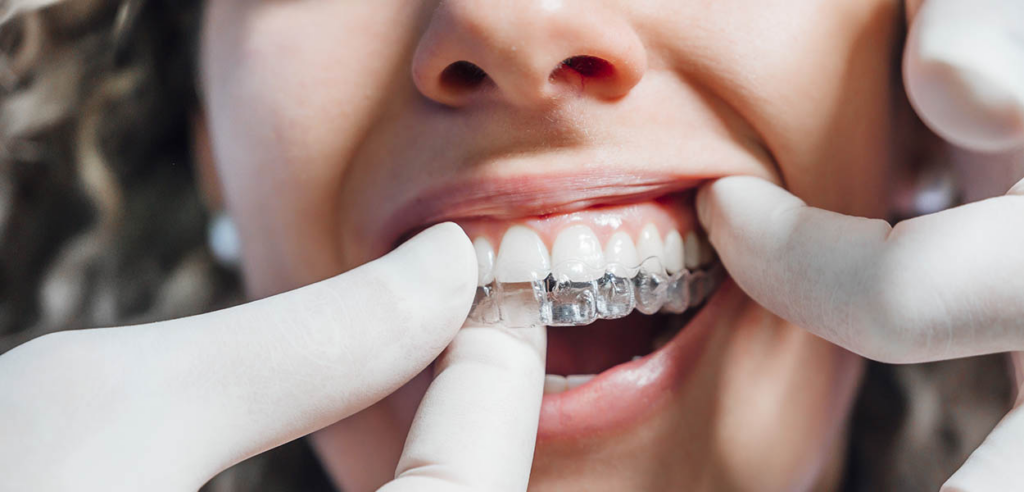
Clear aligners are bespoke orthodontic devices that fit over the teeth and apply gentle, targeted pressure to guide movement. They are manufactured from flexible, durable plastic that is largely transparent, allowing patients to maintain a natural appearance during treatment. Tooth movement occurs through controlled forces applied to specific teeth.
A principal advantage of clear aligners is removability; patients may remove trays for eating, brushing and flossing. This feature facilitates oral hygiene and reduces dietary restrictions relative to fixed braces, improving patient comfort and convenience.
For those considering clear aligners, Your Kissimmee Dentist provides thorough consultations to develop an individualised treatment plan, including assessment of dental health and discussion of any concerns about the aligner process.
What Is the Clear Aligner Therapy Timeline?
Clear aligner therapy usually requires several months, depending on case complexity. Patients should expect the following stages:
- Initial Consultation : During this appointment, the dentist evaluates the patient’s dental health and discusses treatment goals.
- 3D Scanning and Treatment Planning : Advanced imaging technology is used to create a digital model of the patient’s teeth, allowing for precise treatment planning.
- Fabrication of Aligners : Custom aligners are manufactured based on the treatment plan.
- Wearing Aligners : Patients wear each set of aligners for about 1-2 weeks before progressing to the next set.
- Regular Check-Ups : Follow-up appointments are scheduled to monitor progress and make any necessary adjustments.
Overall treatment duration commonly ranges from 6 to 18 months, depending on individual needs and goals.
How Do Aligner Trays Gradually Move Teeth?
Aligner trays apply consistent, gentle pressure to selected teeth to encourage gradual repositioning. Each set of aligners effects incremental movement; each tray corresponds to a defined treatment stage.
Effectiveness depends on wearing aligners for the recommended 20–22 hours per day. Consistent wear allows the system to deliver the planned forces. 3D imaging during the planning phase enables precise calculation of required movement at each stage, supporting predictable outcomes.
The following table summarises common aligner characteristics.
| Aligner Type | Material | Comfort Level | Visibility | Effectiveness |
|---|---|---|---|---|
| Standard Aligners | Thermoplastic | High | High | Moderate |
| Custom Aligners | Medical-Grade Plastic | Very High | Very High | High |
| Hybrid Aligners | Combination of Materials | Moderate | Moderate | High |
This comparison demonstrates how different aligner types suit varying patient needs and preferences.
What Happens During the Initial Consultation and 3D Scanning?
At the initial consultation the dentist conducts a comprehensive examination of the teeth and gums to determine whether clear aligners are appropriate. The clinician will discuss treatment objectives and set realistic expectations.
After the examination, a 3D scan produces a detailed digital model of the mouth. This model enables a personalised treatment plan by visualising planned tooth movements and informing aligner design. The precision of 3D scanning enhances fit and treatment effectiveness.
How Does Your Kissimmee Dentist Assess Suitability for Clear Aligners?
Your Kissimmee Dentist assesses several factors to confirm candidacy for clear aligners. These factors include:
- Dental Health : The dentist assesses the condition of the teeth and gums to ensure they are healthy enough for orthodontic treatment.
- Alignment Issues : The severity of the misalignment is considered, as more complex cases may require alternative treatments.
- Patient Commitment : The success of clear aligners relies on the patient’s willingness to wear them consistently and follow the treatment plan.
This evaluation enables the dentist to recommend a treatment plan that matches the patient’s clinical needs and expectations.
What Is the Role of 3D Scanning in Custom Aligner Fabrication?
3D scanning is central to custom aligner fabrication. It captures accurate dental measurements and produces the digital model that serves as the foundation for the aligners. The benefits of 3D scanning include:
- Precision : The digital model ensures that the aligners fit snugly and comfortably over the teeth.
- Customization : Each aligner is tailored to the patient’s unique dental structure, enhancing treatment effectiveness.
- Efficiency : The use of 3D scanning streamlines the fabrication process, reducing the time required to produce the aligners.
This technology improves the treatment experience and supports better clinical outcomes.
How Are Custom Aligner Trays Fabricated and Delivered?
Custom aligner fabrication follows the digital treatment plan produced from the 3D scan. Aligners are manufactured with advanced equipment using materials selected for durability and patient comfort.
For those interested in enhancing their smile, cosmetic dentistry options are available to complement the effects of clear aligner treatment.
Produced aligners undergo quality control checks to verify they meet performance standards. Once approved, the aligners are delivered to the patient and treatment may commence.
What Materials and Technology Are Used to Create Aligner Trays?
Aligner trays commonly use medical‑grade thermoplastic materials that combine flexibility and strength. These materials are designed to withstand treatment forces while remaining comfortable for the patient. The fabrication technologies include:
- 3D Printing : This technology allows for precise manufacturing of aligners based on the digital model.
- Injection Molding : This method is often used for producing high-quality aligners in larger quantities.
The combination of these materials and methods helps ensure effective tooth movement while maintaining a comfortable fit.
How Does the Fabrication Process Ensure Effective Teeth Movement?
Accurate fabrication is essential to produce aligners that deliver the intended forces. Advanced technology and precise measurements enable targeted pressure on specific teeth, promoting gradual movement with minimal discomfort.
Quality control during production confirms each aligner meets the required performance criteria. This attention to detail supports timely and predictable results.
How Should Patients Wear and Change Aligner Trays?
Patients should wear aligners 20–22 hours daily for optimal results. The typical schedule calls for changing to a new set every 1–2 weeks, as determined by the treatment plan.
Follow these guidelines to support treatment effectiveness:
- Wear Aligners Consistently : Adhering to the recommended wear time is crucial for effective treatment.
- Change Aligners on Schedule : Following the prescribed schedule helps maintain the momentum of tooth movement.
- Maintain Oral Hygiene : Patients should remove aligners when eating and brushing to keep their teeth clean and healthy.
Adherence to these instructions maximises the effectiveness of clear aligner treatment.
What Is the Recommended Aligner Tray Replacement Schedule?
The dentist sets the replacement schedule according to the individual treatment plan. Most patients change their aligners every 1–2 weeks to allow gradual tooth movement.
Factors that may influence the replacement schedule include:
- Complexity of the Case : More complex cases may require more frequent adjustments.
- Patient Compliance : Adhering to the recommended wear time can affect how quickly teeth move.
Compliance with the prescribed schedule is essential to achieve the desired results within the expected timeframe.
Are Clear Aligners Comfortable and Painful During Treatment?
Clear aligners are generally more comfortable than traditional braces. Some patients experience mild discomfort during the first days after switching to a new set; this is usually temporary and indicates that the teeth are responding to treatment.
To manage any discomfort, patients can:
- Use Over-the-Counter Pain Relief : Mild pain relievers can help alleviate discomfort during the adjustment period.
- Follow Care Instructions : Proper care and maintenance of aligners can enhance comfort.
The favourable comfort profile is a key reason many patients select clear aligners for orthodontic care.
How Is Teeth Movement Monitored and Adjusted Throughout Treatment?
Monitoring tooth movement is a key component of treatment. Regular check-ups allow assessment of progress and timely adjustments to the plan when required.
During these appointments, the dentist will:
- Evaluate Progress : Assess how well the teeth are moving according to the treatment plan.
- Make Adjustments : Modify the treatment plan if needed to ensure optimal results.
Patient feedback is also used to address any concerns about comfort or function and to inform clinical decisions.
What Follow-Up Procedures Does Your Kissimmee Dentist Provide?
Your Kissimmee Dentist provides comprehensive follow-up care to support successful clear aligner treatment. This includes:
- Post-Treatment Assessments : Evaluating the final results to ensure the desired outcomes have been achieved.
- Retention Strategies : Discussing the importance of retainers to maintain the new tooth positions.
- Long-Term Care Recommendations : Providing guidance on maintaining oral health and preventing future alignment issues.
These follow-up procedures are essential to help patients achieve and maintain their desired results.
How Are Treatment Stages Evaluated and Modified if Needed?
The dentist continually evaluates treatment effectiveness and will adjust the plan if progress does not meet expectations.
Factors that may prompt adjustments include:
- Insufficient Movement : If teeth are not moving as planned, the dentist may recommend a different aligner or additional adjustments.
- Patient Feedback : Input from the patient regarding comfort and effectiveness can influence treatment modifications.
This proactive management helps patients reach their intended outcomes.
What Happens After Clear Aligner Treatment Is Completed?
After treatment, patients should notice substantial improvement in tooth alignment. Ongoing maintenance is necessary to preserve these results.
What Is the Retention Phase and Why Is It Important?
The retention phase requires wearing a retainer to stabilise teeth in their new positions. This step is essential because teeth can relapse toward their prior positions without retention.
Wear recommendations vary by patient; the dentist will provide a schedule tailored to individual needs. This phase is critical to secure long‑term results.
How Do Clear Aligners Compare to Traditional Braces?
Clear aligners present several advantages over traditional braces. Key differences include:
- Aesthetics : Clear aligners are virtually invisible, allowing for a more discreet treatment option.
- Comfort : Aligners are generally more comfortable than braces, with no metal wires or brackets to irritate the mouth.
- Convenience : The ability to remove aligners for eating and cleaning promotes better oral hygiene.
These features make clear aligners an attractive option for many patients seeking orthodontic correction.
For guidance on maintaining your smile after aligner treatment, consider discussing dental implants as a long-term option for replacing missing teeth.
Frequently Asked Questions
What are the common misconceptions about clear aligners?
A common misconception is that clear aligners are suitable only for minor corrections. In fact, they can address a range of orthodontic issues, including moderate to severe misalignments when clinically appropriate. Some also assume aligners are less effective than braces; when applied correctly they can achieve comparable results. While initial discomfort can occur, most patients report greater comfort than with metal braces due to the absence of wires and brackets.
How do I care for my clear aligners?
Proper care preserves aligner clarity and function. Clean aligners daily with a soft toothbrush and mild soap or a manufacturer‑approved cleaner. Avoid hot water, which can warp the material. Rinse after eating and store aligners in a protective case when not in use. Continue regular oral hygiene—brushing and flossing—to keep both teeth and aligners clean.
Can I eat and drink with my clear aligners on?
Remove aligners for eating and for beverages other than water to prevent staining and damage. Eating with aligners may trap food and compromise oral hygiene. After meals, brush before reinserting aligners to reduce bacterial buildup and protect dental health.
What should I do if I lose or break an aligner?
If an aligner is lost or broken contact your dentist promptly for instructions. The dentist may advise wearing the previous set until a replacement is available or provide an interim solution. Do not skip to the next set without guidance, as this can disrupt the treatment sequence.
How often will I need to visit the dentist during treatment?
Appointments are typically scheduled every 6–8 weeks during clear aligner treatment. These visits allow the dentist to monitor progress, make necessary adjustments, and supply new aligners. Frequency may vary according to the individual treatment plan. Regular reviews are important to ensure movement proceeds as planned.
Are there any age restrictions for using clear aligners?
Clear aligners are suitable for many age groups, from adolescents to adults. Ideal candidates have usually completed dental development, which occurs in late adolescence. For younger patients, dentists may recommend alternative orthodontic approaches until growth is complete. A consultation will determine the best option based on individual dental health.
Conclusion
Clear aligners offer a discreet, comfortable method to achieve improved tooth alignment. Their custom fit and removability support better oral hygiene and greater convenience during treatment. Patients receive a flexible orthodontic pathway tailored to their clinical needs. To determine whether clear aligners are appropriate for you, schedule a consultation with Your Kissimmee Dentist.