
By Carlos Medina, Kissimmee Dentist
Clear aligners have transformed orthodontic care by offering a discreet, more comfortable alternative to metal braces. This article evaluates their effectiveness, outlines advantages and limitations, and summarises patient experiences in Kissimmee. It explains how aligners function, typical treatment timelines, patient feedback, and a comparison with traditional braces to help readers make informed choices.
Comprehensive Analysis of Clear Aligners in Kissimmee
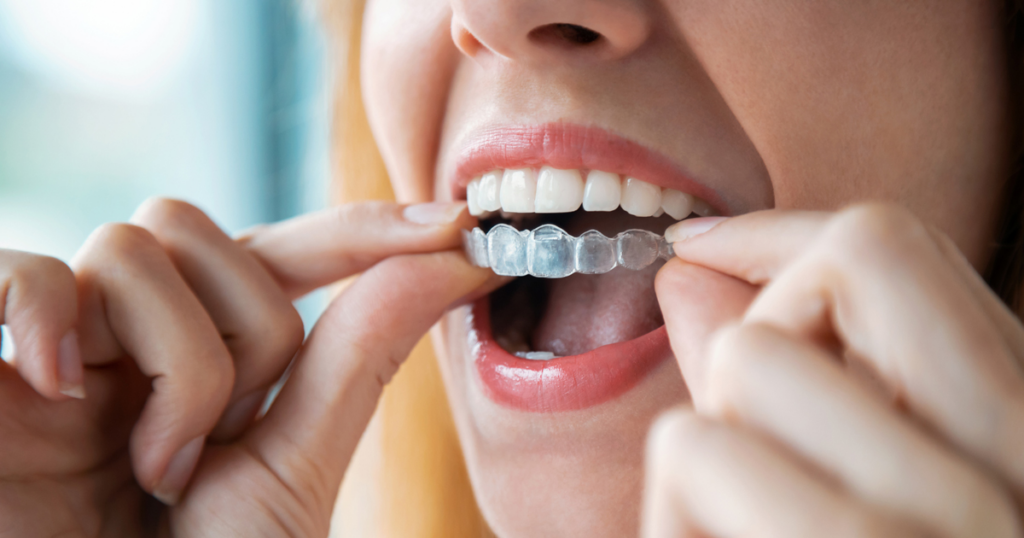
Clear aligners are custom, removable orthodontic appliances fabricated from transparent thermoplastic and intended to shift teeth progressively. Their low visibility and removability for eating and oral hygiene have increased adoption in Kissimmee. Patients commonly cite improved comfort and simpler daily care as primary benefits.
What Are Clear Aligners?
Clear aligners use a sequence of custom trays to apply controlled force to specific teeth, moving them incrementally toward the planned position. Each tray is typically worn for one to two weeks before advancing to the next. This approach offers a less invasive and more flexible alternative to fixed metal braces for many cases.
Pros of Clear Aligners:
Clear aligners offer several advantages that make them an appealing choice for many patients:
- Aesthetic Appeal: The transparent design of clear aligners makes them less noticeable than traditional braces, allowing patients to maintain their confidence during treatment.
- Comfort: Made from smooth plastic, clear aligners are generally more comfortable than metal braces, which can cause irritation to the gums and cheeks.
- Convenience: Patients can remove aligners while eating, brushing, and flossing, making it easier to maintain oral hygiene throughout the treatment process.
Cons of Clear Aligners:
While clear aligners have many benefits, there are also some drawbacks to consider:
- Discipline Required: Patients must wear aligners for 20-22 hours a day for effective results, which requires commitment and discipline.
- Temporary Discomfort: Some patients may experience mild discomfort or pressure when switching to a new aligner, although this typically subsides quickly.
- Not Suitable for All Cases: Clear aligners may not be effective for complex orthodontic issues, and some patients may still require traditional braces.
Patient Insights in Kissimmee:
Local patient feedback indicates general satisfaction with clear aligner treatment. Many patients report positive clinical outcomes and value the patient-focused care delivered by Kissimmee dental professionals. Personalised treatment and attentive follow-up are frequently mentioned as contributors to successful results.
What Are Clear Aligners and How Do They Work?
Clear aligners function through a planned sequence of trays that apply gentle, controlled forces to teeth to achieve the desired alignment. Treatment begins with a clinical assessment and diagnostic records. Practices commonly use advanced imaging and digital planning tools to design a precise sequence of aligners.
Mechanism:
Each aligner represents a stage in the prescribed tooth movement and is worn for a defined period, typically one to two weeks. This staged progression enables controlled movement and helps to minimise patient discomfort.
Benefits:
Benefits extend beyond improved appearance. Removability supports better oral hygiene because patients can brush and floss normally. In appropriate cases, treatment duration may be shorter than with fixed appliances.
Typical Treatment Process:
The treatment process for clear aligners generally involves several key steps:
- Initial Consultation: A dental professional evaluates the patient’s teeth and discusses treatment options.
- Custom Treatment Plan: Using advanced imaging technology, a personalized treatment plan is created, detailing the expected timeline and aligner progression.
- Aligner Fabrication: Custom aligners are manufactured based on the treatment plan.
- Regular Check-ups: Patients return for periodic check-ups to monitor progress and receive new aligners as needed.
Understanding Clear Aligner Treatment Duration and Process
Treatment duration varies with case complexity and individual response. Typical timeframes range from 6 to 18 months, with most patients reaching their objectives within this interval. Regular clinical reviews are essential to confirm progress and adjust the plan if required.
How Clear Aligners Provide Discreet Teeth Straightening
A primary advantage of clear aligners is their near invisibility. Unlike visible metal braces, clear aligners allow patients—both adults and adolescents—to undergo orthodontic treatment with minimal alteration to their appearance.
What Are the Key Benefits of Clear Aligners?
Clear aligners offer several key benefits that contribute to their growing popularity among patients seeking orthodontic treatment:
- Effectiveness: Clear aligners can effectively treat a range of orthodontic issues, including crowding, spacing, and mild to moderate bite problems.
- Comfort: The smooth plastic material used in clear aligners reduces the risk of irritation and discomfort often associated with traditional braces.
- Aesthetic Advantages: The transparent design allows patients to maintain their natural appearance during treatment, boosting confidence.
Comfort and Aesthetic Advantages Over Traditional Braces
Clear aligners deliver comfort and aesthetic benefits that many patients prefer over traditional braces. They are less conspicuous and generally interfere less with daily activities, which may be especially relevant for patients in professional settings.
Patient-Centered Benefits: Convenience and Lifestyle Impact
The convenience of aligners includes removability for meals and oral care, allowing patients to maintain a regular diet and oral hygiene routine. This flexibility supports treatment adherence for individuals with active schedules.
What Are the Potential Drawbacks of Clear Aligners?
Patients should weigh potential drawbacks before starting treatment:
- Limitations of Treatment: Clear aligners may not be suitable for complex orthodontic cases, and some patients may require traditional braces for optimal results.
- Challenges Faced by Patients: The need for discipline in wearing the aligners consistently can be a challenge for some individuals, potentially impacting treatment success.
- Care Requirements: Proper maintenance and care of the aligners are essential for achieving the best results, which may require additional effort from patients.
Limitations and Challenges Compared to Invisible Braces
Clear aligners do not address every orthodontic problem. Patients with severe misalignment or complex bite issues may achieve better outcomes with fixed appliances. Treatment success with aligners depends significantly on patient compliance; inadequate wear can prolong or compromise results.
Research literature provides comparative analyses of clear aligner effectiveness, documenting specific strengths and limitations across different orthodontic scenarios.
Clear Aligner Effectiveness: Pros, Cons, & Treatment Duration
Systematic reviews indicate that clear aligner treatment (CAT) is effective for mild to moderate malocclusions but demonstrates inferior outcomes for severe cases and for certain specific tooth movements. Evidence on treatment duration is mixed; CAT may shorten treatment in mild to moderate cases. Relapse rates were reported as greater with CAT, while periodontal health outcomes were often better; the risk of root resorption tended to be lower with CAT. Pain outcomes were inconclusive, although CAT was generally found to be more comfortable and to have a reduced impact on eating and chewing.
Clinical effectiveness of clear aligner treatment compared to fixed appliance treatment: an overview of systematic reviews, YA Yassir, 2022
Maintenance and Care Requirements for Optimal Results
Optimal results require adherence to maintenance protocols: clean aligners regularly with a soft brush and suitable cleaner, avoid eating or drinking while wearing them (particularly staining or damaging substances), and follow the prescribed wear schedule. Failure to maintain these practices can impede progress.
What Do Patients in Kissimmee Say About Clear Aligners?
Patient feedback in Kissimmee generally reflects positive sentiment toward clear aligners. Many patients report satisfactory clinical results and value the personalised care provided by local clinicians. Testimonials frequently highlight comfort, convenience, and professional support during treatment.
Real Patient Reviews and Satisfaction Ratings
Local reviews commonly report high satisfaction with clear aligner therapy, citing effective alignment outcomes and improved self-confidence. Patients often note the importance of experienced clinicians who explain the process and address concerns.
How Local Testimonials Reflect Treatment Effectiveness
Testimonials from Kissimmee patients provide practical insight into treatment effectiveness. Many describe noticeable improvements in smile aesthetics and increased confidence, information that may help prospective patients evaluate their options.
How Much Do Clear Aligners Cost in Kissimmee and What Specials Are Available?
The cost of clear aligners in Kissimmee varies by case complexity and provider. On average, patients can expect to pay between $3,000 and $8,000 for comprehensive clear aligner treatment.
Detailed Cost Breakdown and Comparison with Traditional Braces
When assessing cost, consider overall value and expected outcomes. Although clear aligners can carry a higher upfront cost, many patients consider the benefits—comfort and discreet appearance—worth the investment. Traditional braces typically range from $2,500 to $6,000 depending on duration and complexity.
New Patient Specials and Financing Options at Your Kissimmee Dentist
Your Kissimmee Dentist offers several new patient specials to make clear aligner treatment more accessible. Current promotions include:
| Service | Price | Description |
|---|---|---|
| Complimentary Exam & X-Rays | $0 | Valid from June 17, 2023, to August 30, 2023. |
| $49 Emergency Exam & X-Ray | $49 | For new patients only. |
| Free Smile Makeover Consultation | $0 | Complimentary consultation for new patients. |
These promotions reduce initial financial barriers and allow prospective patients to assess clear aligner treatment options with limited upfront expense.
How Do Clear Aligners Compare to Traditional Braces?
Evaluation of clear aligners versus traditional braces should consider effectiveness for the specific orthodontic issue, patient comfort, and anticipated treatment duration.
Pros and Cons of Clear Aligners Versus Braces
Clear aligners provide advantages in aesthetic presentation and patient comfort, while fixed braces may offer superior control for complex movements. Patients should consider these trade-offs when selecting a treatment method.
A comparative study further details the relative strengths and limitations of aligners and fixed appliances, clarifying clinical scenarios in which each option performs best.
Clear Aligners vs. Braces: Effectiveness & Treatment Time
Both clear aligners and braces were effective in treating malocclusion. Clear aligners had advantage in segmented movement of teeth and shortened treatment duration, but were not as effective as braces in producing adequate occlusal contacts, controlling teeth torque, and retention.
A comparison of treatment effectiveness between clear aligner and fixed appliance therapies, 2019
Which Treatment Option Is Best for Different Patient Needs?
The appropriate choice depends on individual clinical factors: severity of malocclusion, aesthetic priorities, lifestyle considerations, and treatment goals. A diagnostic evaluation will determine whether clear aligners or fixed appliances are the better option for a given patient.
To learn more about cosmetic options and to see if you are a candidate, contact us today.
Frequently Asked Questions
1. How do I know if clear aligners are suitable for my orthodontic needs?
Suitability is determined during a clinical consultation. The clinician will assess crowding, spacing and bite relationships. Clear aligners are generally appropriate for mild to moderate cases; complex or severe issues may require fixed appliances. A full evaluation will identify the most appropriate treatment plan.
2. What is the typical duration of clear aligner treatment?
Duration varies with case complexity and individual response. On average, treatment spans 6 to 18 months. Regular clinical reviews are necessary to monitor progress and adjust the plan to help achieve the expected outcome within this timeframe.
3. Are there any dietary restrictions while using clear aligners?
Because aligners are removable, patients can eat and drink without permanent dietary restrictions. Remove aligners for meals and beverages—particularly those that may stain or damage the trays—and brush before reinserting to maintain oral hygiene and aligner integrity.
4. How should I care for my clear aligners?
Maintain aligner hygiene by cleaning them daily with a soft toothbrush and mild soap or a specialised cleaner. Avoid hot water, which can warp the material, and store aligners in their case when not in use. Proper care supports treatment efficacy and longevity of the appliances.
5. What should I do if I lose or damage my aligners?
If an aligner is lost or damaged, contact your dental professional promptly. They will advise whether to use the previous set temporarily or to order a replacement. Wearing the last intact set can help preserve progress until a replacement is available.
6. Can I wear my aligners for less than the recommended hours?
Adhering to the recommended 20–22 hours per day is important to achieve planned tooth movement within the projected timeline. Reduced wear time can slow progress or cause setbacks. Discuss adherence challenges with your clinician for practical strategies.
7. Are there any financing options available for clear aligners?
Many practices provide financing options such as payment plans, introductory promotions, or third‑party financing to improve access. Ask about available options during your consultation to identify a plan that aligns with your budget.
Conclusion
Clear aligners offer a discreet, comfortable method for orthodontic correction and are an appropriate option for many patients. Their removability supports oral hygiene, and their aesthetic advantage can benefit patients concerned about appearance during treatment. Understanding these factors enables Kissimmee residents to make considered decisions about orthodontic care. Contact your local dental professional to discuss whether clear aligners are suitable for your needs.